
Breast Augmentation at Brantley Operative Aesthetics
Get The Contours You’ve Dreamed of with Dr. Shelby Brantley
Breast appearance is often one of the defining physical features of femininity. When your breasts don’t give you the silhouette you wish you had, it can cause discomfort, frustration, and a lack of self-confidence. Breast augmentation offers the ideal solution to women who want to enhance their feminine contours by changing the shape, size, and projection of the breasts. Under the skilled hands of Dr. Brantley, you can achieve feminine contours that flatter your overall figure and give you the feminine silhouette you want to feel amazing about your body. Whether you are considering your first breast implants or exploring options for a more natural appearance, Dr. Brantley will help you understand what breast augmentation can and cannot do.
At Brantley Operative Aesthetics in Flowood, MS, Dr. Shelby Brantley and our compassionate team are dedicated to helping you reach your aesthetic goals. Breast augmentation procedures are designed to enhance your overall figure to improve your body confidence and promote a positive self-image. Many women who undergo breast augmentation at BOA want to enhance their breast size and breast shape while keeping a balanced look, and every plan begins with a careful review of your breast anatomy.
Are you interested in learning about how breast augmentation can enhance your overall physique and boost your confidence? Contact us at (601) 387-9005 or request your consultation to begin your breast and body contouring journey today! We are located in Flowood, MS, near JAN International Airport and proudly serve patients from across the United States.
Quick Links:
Quick Facts
Anesthesia: General
Procedure Time: Around 1 hour
Recovery Time: A Long Weekend
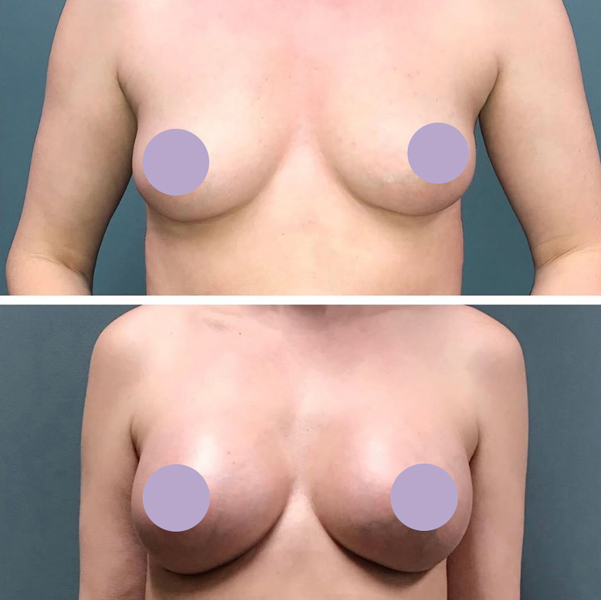
What Is Breast Augmentation?
Breast augmentation, or augmentation mammoplasty, is a surgical procedure designed to change the shape, size, projection, and volume of the breasts using implants. Women who are unhappy with the appearance of their breasts often consider this transformative procedure because of the profound impact it can have on their overall physique. Breast augmentation typically uses implants to make the breasts appear larger and shapelier, with a more flattering projection. In most cases, a silicone breast implant or a saline breast implant is placed in a breast pocket created behind the breast tissue or beneath the chest muscles. As a cosmetic surgery procedure, breast augmentation is among the most common cosmetic procedures for women, and it can be combined with a breast lift when the breasts also need to be raised.
At BOA, Dr. Brantley takes a comprehensive and personalized approach to enhancing breast contours for overall balance and beauty. To ensure the best outcomes for his patients, he takes the time to discuss the various shapes, sizes, and profiles of implants that suit each individual’s body and aesthetic goals. Your breast implant device, whether it is a silicone gel implant or a saline implant, is selected to match your breast anatomy and your goals for breast size.
Why Choose Dr. Shelby Brantley for Your Breast Augmenation in Jackson, MS?
When selecting a surgeon for your breast augmentation, experience, skill, and trust matter. Dr. Shelby Brantley combines decades of expertise with a compassionate approach, making him the surgeon of choice for thousands of women in Mississippi and beyond. With Dr. Brantley, your breast augmentation isn’t just surgery – it’s a carefully tailored experience backed by skill, science, and genuine compassion for every patient. With extensive training in plastic and reconstructive surgery, Dr. Brantley understands how breast implants, breast tissue, and the chest wall work together to create a natural result.
Here are a few reasons patients choose Dr. Brantley:
Extensive Surgical Experience – Performed more than 20,000 procedures in plastic and reconstructive surgery.
Published Expert – Authored 50+ medical journal articles and abstracts, contributing nationally recognized research on silicone immunology, ultraviolet light exposure, liposuction, and abdominoplasties.
Prestigious Training – Magna cum laude graduate of the University of Mississippi; completed general surgery residency at UMMC and a plastic surgery fellowship at the University of Tennessee College of Medicine.
- Recognized Leader – Member of elite organizations including the American Society of Plastic Surgeons, American Society of Aesthetic Plastic Surgeons, and the American College of Surgeons.
National Recognition – Named to the RealSelf 500 list of top cosmetic surgeons worldwide, and voted Best Cosmetic Surgeon in the Jackson Metro by BOOM Magazine readers.
Compassionate Care – Known for his approachable bedside manner, dedication to patient safety, and commitment to restoring confidence and self-image.
Your Breast Augmentation Questions Answered: A Surgeon's Guide - Podcast
Listen in as Dr. Brantley discusses common questions and concerns about Breast Augmentation in this podcast with eHealth Radio. Hearing from an experienced plastic surgeon can also help you prepare for your breast augmentation consultation.
Breast Augmentation Benefits
Breast augmentation offers many aesthetic and emotional benefits, including:
- The ability to wear the clothes you want
- Improved self-confidence
- A more balanced overall figure
- Natural-looking, long-lasting results
Many breast augmentation patients also notice better symmetry and a more proportional silhouette when their breast size and breast shape are brought into balance.
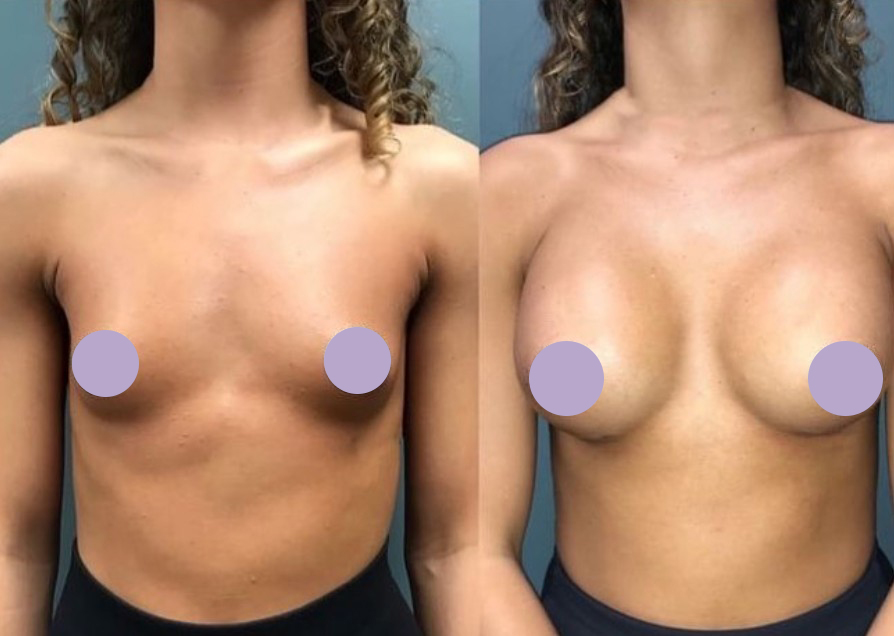
Your Breast Augmentation Consultation at BOA
At BOA, we believe that a relaxed, unhurried consultation is the foundation of a trusting and successful patient relationship. During your visit, Dr. Brantley takes the time to get to know you – not just your aesthetic goals, but also your family, lifestyle, career, hobbies, and daily routine – to better understand your unique concerns and aspirations for breast augmentation. Because cosmetic surgery is both a physical and an emotional experience, you will have time to ask every question.
Dr. Brantley encourages your questions and values your input, intending to empower you to achieve natural-looking, personalized results that reflect your vision. By understanding your needs, he can tailor your procedure to ensure the best possible outcome. His background in plastic and reconstructive surgery means he looks at both function and form when planning your result.
Dr. Brantley understands that physical concerns can also affect your emotional and mental well-being. That’s why he takes considerable time with each patient to ensure you feel heard and supported during your consultation and throughout your aesthetic surgery journey. Whether this is your first cosmetic surgery or your second, you can expect the same attentive care.
During your breast augmentation consultation, Dr. Brantley will review and discuss:
- The specific aspects of your breasts that you are most uncomfortable with.
- Your expectations and goals for breast augmentation surgery.
- Your medical and surgical history.
- Your ideal goals regarding your overall figure.
You may also want to discuss how breast augmentation surgery could affect breast cancer screening, any family history of breast cancer, and the breast imaging you will need after your implants are placed.
Your Breast Implant Choices
During your consultation, we will discuss the various types of incisions and implants you can choose from, taking ample time to review the sizes, shapes, and profiles of implants. Our goal is to give you the information you need to feel confident that you are choosing the implant that meets your aesthetic goals and works in harmony with your overall figure.
At BOA, we primarily use gel implants, as they consistently provide patients with natural-looking and natural-feeling results. Dr. Brantley will show you various sizes and shapes of implants so that you can get a realistic feel for what will look best on your body. Because silicone implants and other gel implants come in many sizes and profiles, Dr. Brantley can match the implant to your frame.
Another decision we will make during your consultation is where your incision will be. The most common incision placement for breast augmentation is in the inframammary fold beneath the breast, but your incision may also be around the nipple (a periareolar incision) or within the armpit (a transaxillary incision), depending on your anatomy and your goals.
After your consultation, you will have a clear idea of what you can expect from your results, what kind of implant you will receive, where exactly the implant will be placed, and where your scar will be located.
Breast Implant Types: Silicone Gel, Saline, Round, and Shaped
Choosing between silicone implants and saline implants is one of the most important decisions in breast augmentation surgery. Both types of breast implants have a silicone shell, and both are FDA approved for breast augmentation in adult women, but they differ in how they are filled and how they feel. Augmentation mammoplasty can be tailored with either option.
Silicone Gel Implants
Silicone gel implants are filled with a viscous silicone gel that is designed to feel similar to natural breast tissue. Many modern devices use cohesive silicone gel, which holds together and keeps its shape, and BOA primarily uses gel implants for their natural look and feel. A silicone breast implant arrives already filled, so it may require a slightly longer incision than a saline device.
Saline Breast Implants
Saline breast implants have an empty shell that is filled with sterile saline solution once it is positioned, which allows a smaller incision. Because saline implants can feel firmer to some women, your surgeon will help you weigh the feel of each option against your goals and the tissue available to cover the implant.
Round and Shaped Implants
Round breast implants add fullness evenly in every direction, while shaped implants taper toward the top to follow the natural slope of the breast. Round implants can also rotate without changing the look of the breast, but shaped implants must stay in position to keep their contour.
Smooth and Textured Implants
Implant shells can be smooth or textured. Textured breast implants were designed to stay in place, but certain textured devices have been linked to a higher risk of breast implant associated anaplastic large cell lymphoma, so your surgeon will discuss which surface is appropriate for you.
Implant Placement Options
During breast implant insertion, your surgeon creates a breast pocket either beneath the pectoralis major muscle, which is commonly called the pectoral muscle, or above it, behind the glandular breast tissue. Placement beneath the muscle adds soft tissue coverage that can help the implant look natural in women with less breast tissue, while placement above the muscle may involve less soreness in the chest muscles. Because the implant rests against the chest wall or the muscle, your anatomy and goals guide this decision.
Am I an Ideal Candidate for a Jackson Breast Augmentation?
Candidates for breast augmentation are women who are in good health and wish to enhance the size, shape, position, or symmetry of their breasts. They may want to improve the overall appearance of their physique and boost their body image with larger or better-proportioned breasts. Breast implant patients benefit most from realistic expectations about breast size and breast shape, and Dr. Brantley will help you understand what is achievable. Plastic surgery is a personal decision, so take the time you need to feel ready.
Ideal candidates for breast augmentation should:
- Be in good overall health
- Be a non-smoker or willing to quit all nicotine at least two weeks before and after surgery
- Have no medical conditions that may impair healing or affect general anesthesia
- Have a positive outlook and realistic goals for their breast augmentation procedure
- Understand the surgical risks and benefits
Preparing for Your Breast Augmentation Surgery
Before your breast augmentation, it’s important to be in good overall health to ensure beautiful results and a smooth recovery. Here are some tips to help you prepare for surgery: Preparing well for plastic surgery can help you undergo breast augmentation with confidence, and as with all surgical procedures, a smooth recovery begins before surgery.
- Maintain a Healthy Lifestyle: Continue a consistent exercise routine and follow a balanced diet rich in protein to support healing and maintain a stable weight. Avoid significant weight fluctuations before and after surgery, as they could alter the proportions of your figure.
- Stay Hydrated: Drink plenty of water in the days leading up to and following your procedure to support recovery and overall wellness.
- Medical Clearance: If required, schedule a visit with your primary care physician for a pre-surgical evaluation to ensure you are physically fit for surgery. Testing may include routine blood work or an EKG. We will discuss this during your consultation.
- Medication & Supplement Restrictions: Dr. Brantley will review your medications, supplements, and vitamins during your consultation. You may need to stop taking anything that increases the risk of bleeding or bruising for two weeks before and after surgery, including fish oil, garlic, ginseng, vitamin E, ibuprofen, or other anti-inflammatory medications.
- Discontinue Nicotine Use: If you smoke, vape, or use nicotine products, you must stop at least two weeks before and after surgery. Nicotine negatively impacts healing and increases surgical risks.
- Prepare Your Home for Recovery: This can include ensuring you have ample time off work; completing household chores prior to surgery or delegating them to someone else; setting up a comfortable recovery space; preparing and freezing healthy meals; arranging for a meal delivery service; and filling prescriptions and purchasing supplies.
- Arrange for Help: Plan on having a responsible adult drive you home and stay with you for at least 24 hours following surgery. For the first few days, you may also need help with childcare, pet care, or household tasks.

Flowood, MS, Breast Augmentation Procedure Overview
On the night before surgery, avoid eating or drinking after midnight; however, take approved medications with small sips of water. Come to surgery freshly showered with Hibiclens, without makeup, lotions, or deodorant. Leave jewelry and contact lenses at home, and wear loose, comfortable clothing that is easy to take off and put on after your procedure. Depending on the characteristics of your individual procedure, you can expect your breast augmentation surgery to take 1 hour or less. During the operation, implant insertion typically takes place through a small incision, such as one in the inframammary fold, and Dr. Brantley positions each implant in the breast pocket before closing.
Pre-Op Review
Before surgery, carefully review your paperwork to confirm your surgery location and arrival time. At check-in, you may be asked to provide identification and emergency contact information. Reviewing every detail in advance helps your breast augmentation surgery run smoothly, as it does for any cosmetic surgery.
Anesthesia Consultation
On the day of your procedure, you’ll meet with Dr. Brantley and your anesthesia provider to review your surgical plan and address any final questions or concerns. If necessary, an anesthesia consultation will be arranged before your surgery. Your anesthesia provider will also review your health history so that your augmentation surgery is as safe as possible.
Incision and Tissue Work
Based on the surgical plan developed during your consultation, Dr. Brantley will make the agreed-upon incision. Through this incision, he will use the no-touch method to insert the appropriate implant, placing it either above or beneath the pectoral muscle. Placing the implant beneath the pectoral muscle provides added support and soft tissue coverage, while an implant above the muscle sits behind the breast tissue.
Sutures and Dressing
Dr. Brantley will place sutures and cover the incisions with a surgical dressing, which will remain in place until your first shower. You will be fitted with a surgical bra to ease the pressure on your incisions and protect your new breasts.
Breast Augmentation Recovery
Breast augmentation is an outpatient procedure, so you should arrange for someone to drive you home afterward. You may also need assistance with daily tasks, including childcare and pet care, for the first few days. Your breast implants will settle gradually, and you will receive guidance for each stage of healing.
Immediately after surgery, your incisions will be dressed, and you’ll be fitted with a surgical bra to reduce swelling and support healing tissues. It’s essential to wear this garment as much as possible for two weeks, or as directed by Dr. Brantley.
During the initial recovery period, you can expect discomfort, fatigue, breast and chest soreness, bruising, swelling, numbness, or muscle tightness. These side effects typically peak within 48 to 72 hours and then gradually improve. To help manage your discomfort, Dr. Brantley will prescribe pain medication and muscle relaxants, and may recommend appropriate over-the-counter options. If your implants were placed beneath the muscle, soreness in your chest muscles may last longer, and your surgeon will recommend gentle movement to ease tightness.
It’s critical to avoid strenuous activities, such as vigorous exercise or heavy lifting, for two to four weeks to protect your sutures and promote proper healing. However, Dr. Brantley recommends resuming light activities like walking or using a stationary bike as soon as possible to improve circulation and support recovery.
Recovery time varies depending on the extent of your breast augmentation and your body’s natural healing response. Most patients require about two to five days for initial recovery and feel well enough to return to light work at that point. Breast augmentation recovery is gradual, and following your surgeon’s instructions helps you return to your routine safely.
How Soon Will I See My Jackson Breast Augmentation Results? How Long Will Results Last?
You will notice immediate changes in your breast appearance following your breast augmentation surgery. Swelling and bruising will obscure your results for the first few weeks. Depending on the individual characteristics of your procedure, most of the swelling should subside within three to six months; however, residual swelling may last up to a year. During this time, your breasts will also “drop and settle” into their final position, meaning you can expect to see your final result around six months after surgery. Final results from breast augmentation surgery continue to refine as swelling resolves, so patience is part of the process.
Typically, scarring is most visible during the first few months. Incisions may appear pink or raised. As the scars mature, they will gradually fade and blend with your natural skin tone. During your follow-up visits, Dr. Brantley may recommend medical-grade scar therapies to help optimize healing and improve scar appearance.
While breast implants are long-lasting, they are not lifetime devices. Implants may need to be replaced or removed over time. For gel implants, an ultrasound may be required to diagnose any issues. If you notice a change in breast size, firmness, or breast pain, contact our office so that Dr. Brantley can evaluate your implants.
Breast Implant Safety and Possible Complications
Like any cosmetic surgery, breast implant surgery carries risks, and understanding them helps you make a confident decision about breast augmentation. As with all surgical procedures, possible complications include infection, bleeding, changes in nipple or breast sensation, implant rupture, capsular contracture, and the need for revision surgery or implant removal.
Capsular Contracture and Scar Tissue
Your body naturally forms a thin layer of scar tissue around every breast implant. In some women, this scar tissue tightens around the implant, a complication called capsular contracture, which can cause firmness, a change in breast shape, and breast pain. Dr. Brantley’s no-touch technique reduces contact with the implant during insertion, and capsular contracture may be corrected with a second operation if it occurs.
Implant Rupture and Follow-Up Imaging
A breast implant rupture happens when the implant shell develops a tear or hole. A saline breast implant that ruptures deflates, so the change is usually noticeable. A silicone breast implant that ruptures may cause no obvious symptoms, which is why silicone breast implant ruptures are sometimes called silent ruptures. For that reason, the FDA recommends periodic breast imaging, such as ultrasound or magnetic resonance imaging, for women with silicone gel implants, and a damaged implant is typically addressed with implant removal or replacement. Newer devices use cohesive silicone gel that stays together, but a rupture can still occur and should be evaluated.
Breast Implant Illness and BIA-ALCL
Some women report symptoms such as fatigue, joint pain, and brain fog after receiving breast implants, a pattern often called breast implant illness. Breast implant illness is not a formal medical diagnosis, and researchers continue to study whether implants play a role, so share any health concerns with Dr. Brantley. A rare condition called breast implant associated anaplastic large cell lymphoma (BIA-ALCL) has also been linked to textured devices. BIA-ALCL is a lymphoma of the immune system and is not breast cancer.
Partner with Mississippi’s Premier Plastic Surgeon, Dr. Shelby Brantley
Dr. Shelby Brantley is one of the premier plastic surgeons in Flowood, MS, and he understands the challenges many patients face before deciding to commit to plastic surgery. As experts in breast procedures, Dr. Brantley and his team can help you enhance your overall appearance, boosting your confidence and improving your body image. As a plastic surgeon with experience in breast surgery, Dr. Brantley can help you decide whether breast augmentation surgery with breast implants, a breast lift, or a combination of surgical procedures best meets your goals.
Learn about breast augmentation options near Flowood, MS, by calling (601) 387-9005 or completing our online form to schedule your consultation today!
Jackson Breast Augmentation FAQs
How do I choose a breast augmentation surgeon?
Selecting a breast augmentation surgeon is a personal and important decision. Your surgeon should not only understand your aesthetic goals but also prioritize your safety and deliver consistently excellent results. During your consultation, ask to view your surgeon’s before-and-after gallery to see the type of results they typically provide. Experience is invaluable when it comes to getting it right. Look for a plastic surgeon who focuses on cosmetic surgery of the breast and who shows you a range of breast augmentation patient results.
Another factor to consider is feeling comfortable and confident with your surgeon. Look for someone who is transparent about potential risks and complications, has hospital admitting privileges, and is open to discussing complication management should any issues arise.
Breast augmentation is a significant investment in yourself, and your surgeon should take every measure to ensure optimal outcomes. This includes identifying any factors that may affect your safety or results and developing a personalized plan for optimization before scheduling your procedure.
During your consultation, Dr. Brantley will ensure that you feel comfortable, discuss your potential outcome, and explain how he will prioritize your safety during your procedure and beyond.
How do you choose the best profile, style, and implant size for me?
During your consultation, Dr. Brantley will carefully review your goals, medical history, and body proportions. He takes time to show you different implant shapes, sizes, and profiles so you can see how each option might look on your body. The goal is to select an implant that complements your figure and achieves results you’ll love for years.
How do I make sure that I get the size that I want?
Bringing inspiration photos and discussing your expectations helps ensure you get the look you want. At Brantley Operative Aesthetics (BOA), patients are encouraged to try a range of sizes during consultation so they can see how different options will affect their silhouette. The right size is one you’ll be happy with long-term and that feels in balance with your body.
What type of breast implant looks and feels the most natural?
At BOA, Dr. Brantley primarily uses gel implants because they consistently provide natural-looking and natural-feeling results. These implants are designed to closely mimic the look and feel of natural breast tissue. Silicone implants tend to feel softer to many women, and your surgeon can compare silicone implants with saline breast implants during your visit.
How should I prepare for my breast augmentation consultation?
During your consultation, Dr. Brantley will review your health and medical history and assess the areas of your breasts that concern you. To help him understand your goals, it’s helpful to come prepared with questions and inspiration photos that show your desired outcome. While you may clearly understand what you want, miscommunication is possible. Images of your ideal figure and proportions are invaluable during the treatment planning process.
Will I have cleavage? Can my breast be placed higher on my chest?
Yes. Cleavage and breast positioning can be enhanced through implant placement and surgical technique. Dr. Brantley will recommend the approach that best achieves your desired breast shape and placement.
How do I know if I will need to combine a breast lift with implants?
If you have significant sagging along with volume loss, Dr. Brantley may recommend combining a breast lift with implants. This creates both fullness and a more youthful breast position. Because breast augmentation adds volume but does not lift sagging breasts on its own, your surgeon will explain which approach suits your anatomy.
When do I need an internal bra or GalaFLEX for Breast augmentation?
In general, GalaFLEX or internal bras are used when additional support is needed, such as in patients with weakened tissue or during revision surgery.
How long does the breast augmentation procedure take?
Breast augmentation is typically performed as an outpatient procedure under general anesthesia and can be completed in one hour or less, depending on the extent of your procedure.
Do I need to wear a bra after breast implant surgery?
You will need to wear your surgical bra for the first 2 weeks during recovery.
What is the benefit of using the Keller Funnel in the breast augmentation procedure?
The document does not reference the Keller Funnel. Generally, it is a tool used by many surgeons to allow a smaller incision, reduce implant handling, and decrease the risk of contamination.
Do you use the "no touch technique"? What are the benefits of the “no-touch” technique?
Yes. Dr. Brantley uses the no-touch method to insert implants. This technique minimizes contact between the implant and skin, reducing the risk of bacterial contamination, infection, and complications such as capsular contracture.
Can I still breastfeed after breast augmentation?
Because breast augmentation does not involve the removal of breast tissue, women who wish to breastfeed and have implants are often able to do so – particularly if the implant is placed under the muscle tissue. If you wish to breastfeed in the future, please talk to Dr. Brantley about your family planning goals during your consultation so that he can take steps to ensure your best chance of success.
It is important to note that there are many reasons women may struggle to breastfeed that are unrelated to breast surgery. A lactation consultant can help women who are experiencing difficulties. If you are concerned about this before giving birth, you can arrange to meet with a board-certified lactation consultant at your hospital or birthing center directly after delivery.
Is breast augmentation performed under general anesthesia?
Yes. Breast augmentation is performed under general anesthesia. The procedure usually takes about one hour or less.
Does someone have to stay with me after surgery?
Yes. Breast augmentation is an outpatient procedure, and you must arrange for a responsible adult to drive you home and stay with you for at least 24 hours following surgery.
Can I still get mammograms after breast implants are placed?
Yes. Women with implants can still undergo mammograms. Special imaging techniques may be used to ensure accurate results.
Will I have drains after breast augmentation?
Most breast augmentation procedures do not require drains, but Dr. Brantley will discuss this aspect during your consultation.
Will there be a scar after breast augmentation?
Yes. Scarring is most visible in the first few months, often appearing pink or raised, but scars will gradually fade and blend with your natural skin tone. Dr. Brantley may recommend scar therapies to optimize healing and minimize long-term scar visibility.
My breasts feel sore. Will I mess anything up by moving?
During recovery, you may feel sore, and your breasts may feel tight, but rest assured, normal movement will not harm your results. Depending on the placement of your implants, muscle soreness can be quite uncomfortable. If you have any concerns during recovery, please call our office at (601) 387-9005. We are here for you every step of the way.
Will sutures need to be removed after breast augmentation?
Dr. Brantley uses sutures that are placed during surgery and covered with surgical dressings. These are typically dissolvable, so suture removal is usually not required.
Will my nipple lose sensation?
Temporary changes in nipple sensation can occur due to swelling and tissue adjustment. Most patients regain normal sensation as healing progresses.
Will I need my breast implants replaced in the future?
Breast implants are not lifetime devices. While they are designed to last many years, they may need to be replaced or removed at some point. Dr. Brantley typically advises patients to expect replacement or revision at some time in the future.
What is the difference between saline and silicone breast implants?
Silicone breast implants are filled with silicone gel, which many women find feels closer to natural breast tissue, while saline breast implants are filled with sterile saline solution during surgery. Both silicone implants and saline implants are FDA approved, and your surgeon can show you how each type looks and feels so you can choose the best fit for your breast size and goals.
Are implants placed above or below the muscle?
Your breast implants may be placed beneath the pectoralis major muscle or above it, depending on your anatomy, the amount of breast tissue you have, and your goals. Dr. Brantley will recommend the breast pocket that best supports a natural appearance, and he will explain how each option affects recovery and long-term results.
Can implants fix sagging breasts?
Breast implants add breast volume, but they do not lift sagging breasts on their own. If your nipples sit below the breast crease, Dr. Brantley may recommend a breast lift with augmentation, which raises the breast and restores fullness. A breast lift can also refine the shape of augmented breasts that have changed after pregnancy or weight loss.
What is fat transfer breast augmentation, and how does it compare with implants?
Fat transfer breast augmentation uses liposuction to harvest fat tissue from areas such as the abdomen or thighs, then places the purified fat graft in the breasts. A fat graft uses your own tissue, which is why this approach is also called autologous fat grafting, but it typically produces a smaller change in breast size than breast implants, and part of the fat graft may not survive. Because fat tissue is living tissue, results depend on how much of the transferred fat tissue remains, and women who are very thin may have fewer options for a fat transfer. Some women choose a fat transfer to refine the contour around an implant, and Dr. Brantley can explain whether implants, a fat graft, or a combination is the better choice for your goals.
What are the signs of capsular contracture?
Early signs include increasing firmness, tightness, a change in breast shape, or breast pain. Capsular contracture occurs when scar tissue tightens around the implant, and it ranges from mild to severe. Call our office if you notice any of these changes so that Dr. Brantley can evaluate them and discuss options such as revision surgery.
What happens if a breast implant ruptures?
A ruptured saline-filled implant deflates over hours to days, while a silicone gel implant rupture may cause no symptoms at first. If you suspect an implant rupture, schedule an evaluation, and your surgeon may order an ultrasound or magnetic resonance imaging. Treatment usually involves implant removal, and implants removed because of a rupture can often be replaced during the same surgery.
Can breast implants be removed?
Yes. Breast implants can be removed at any time, either on their own or together with a breast lift to restore the shape of the breast. Some women choose implant removal because of a change in size, a complication such as capsular contracture, or a personal preference, and the implants removed can be replaced if you wish. Like other surgical procedures, this surgery carries risks, so Dr. Brantley will review your options and the expected change in breast shape and breast volume.
Will breast implants affect breast cancer screening?
Breast implants can make breast imaging more complex, but women with implants should continue routine screening. Tell your imaging center about your implants so that additional views can be used, and ask whether ultrasound or magnetic resonance imaging is appropriate. If you have a personal or family history of breast cancer, please share it with Dr. Brantley before surgery. Women with textured implants should also know the signs of breast implant associated anaplastic large cell lymphoma, such as sudden swelling or fluid around the implant, and report them promptly.
How does breast augmentation differ from breast reconstruction?
Breast augmentation enhances the size and shape of healthy breasts, while breast reconstruction rebuilds the breast after a mastectomy, an injury, or a congenital difference. Reconstructive breast surgery may use implants, your own tissue, or both, and the plan depends on your medical history. As a plastic surgeon with training in plastic and reconstructive surgery, Dr. Brantley has a broad understanding of breast anatomy.
Will weight loss or pregnancy change my results?
Significant weight loss can reduce breast volume and change breast size, and pregnancy and breastfeeding can alter breast shape. If you are planning weight loss, or have recently lost weight, discuss it with Dr. Brantley so that he can plan your surgery accordingly. Maintaining a stable weight after weight loss helps protect your results.